As the years go on and as I see more of the world, my answer to the question of “what are your favorite countries” continuously changes.
One constant that doesn’t change though, is Türkiye being in the top 3, specifically because of my time along the gorgeous Lycian Way.
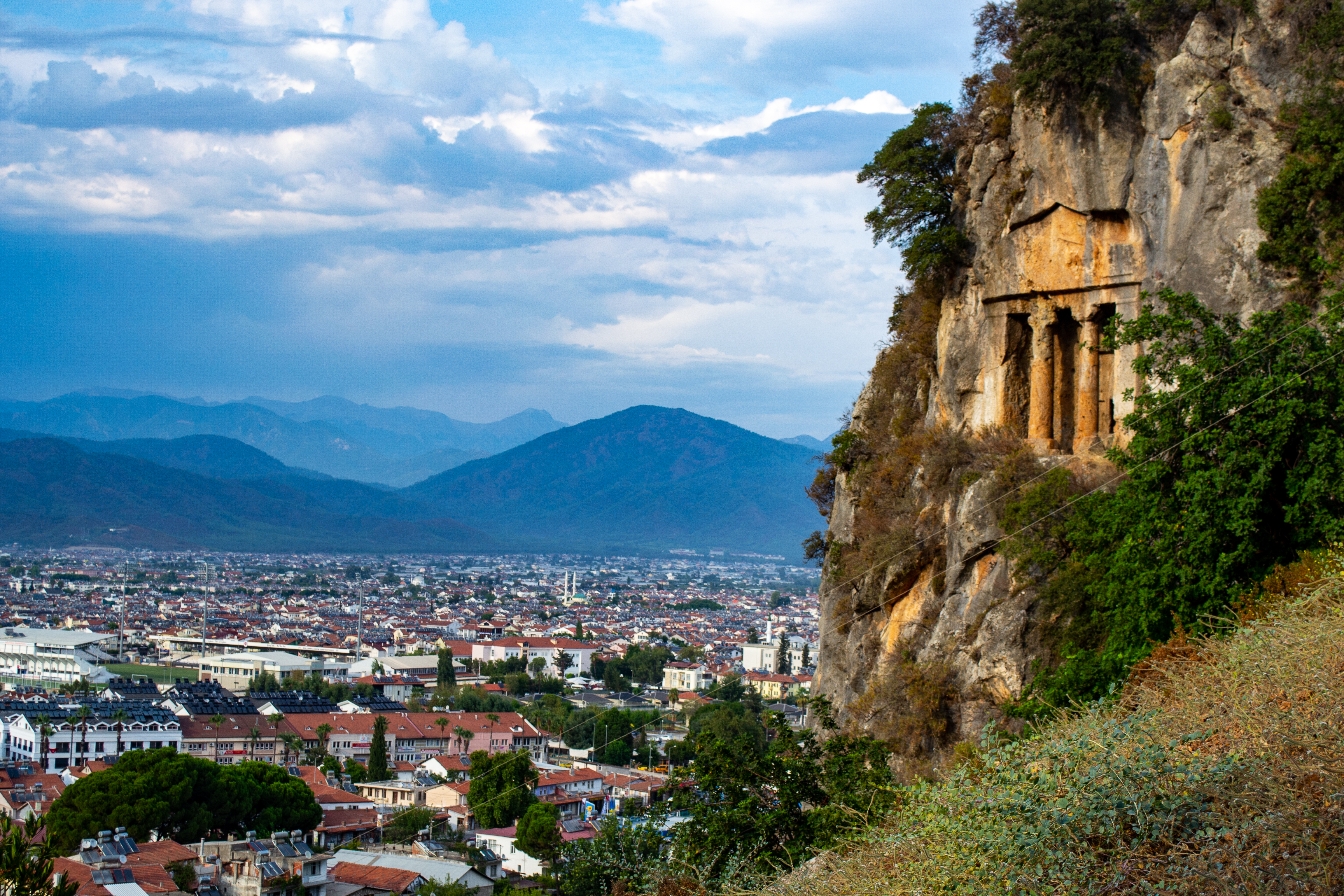
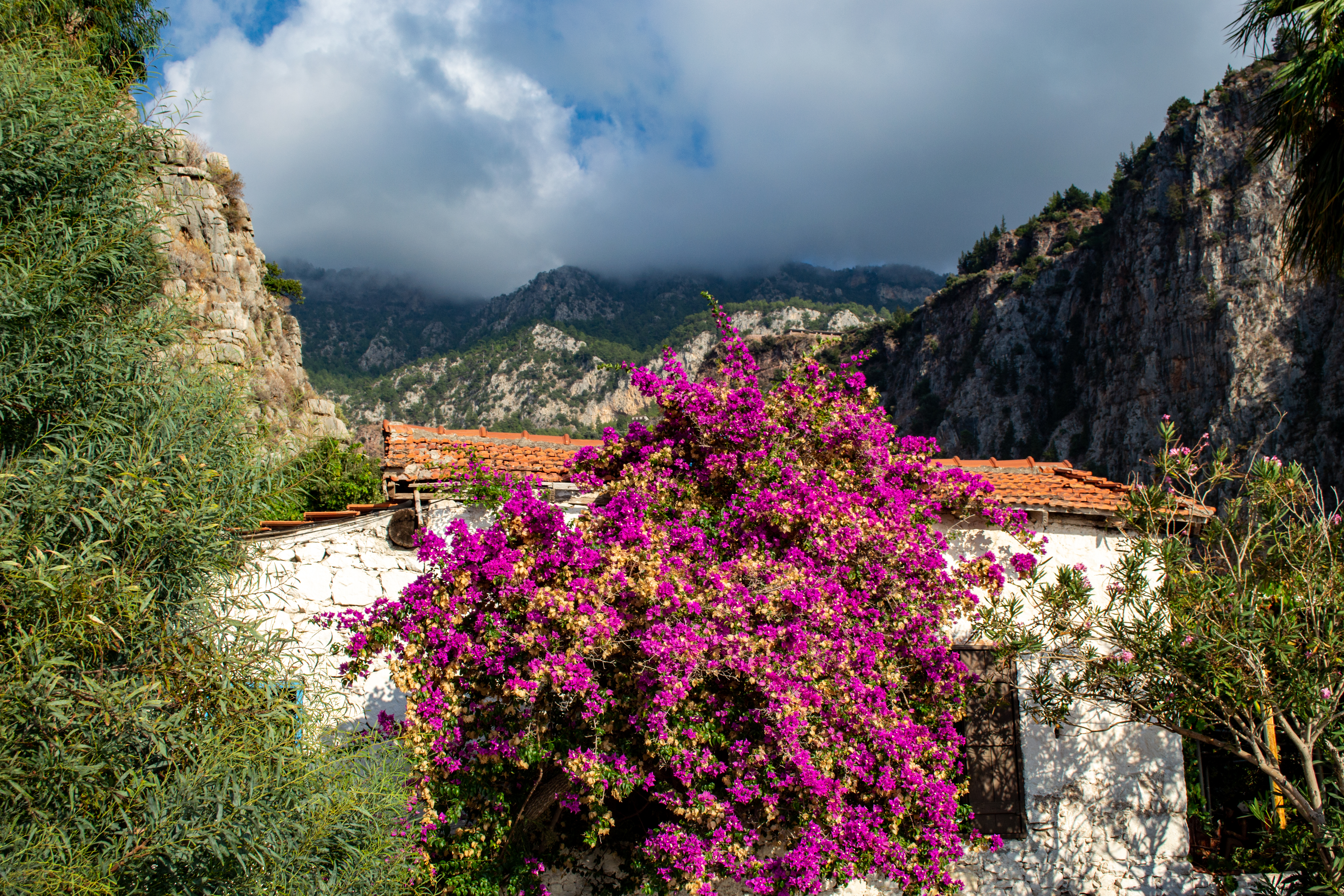
The Lycian Way is a stretch of a 700+ km footpath along the southern Turkish coast-one of the most beautiful places in the world. The path was created by a British woman named Kate Clow in 1999, to connect over 15 ancient Lycian cities along the coast, passing through small villages, beautiful Mediterranean coves, and history all around you.
Not only is this corner of the earth just so unbelievably stunning…the history is incomprehensible as the area sits on top of what was once ancient Lycia, a region that thrived for centuries until 546 BC.
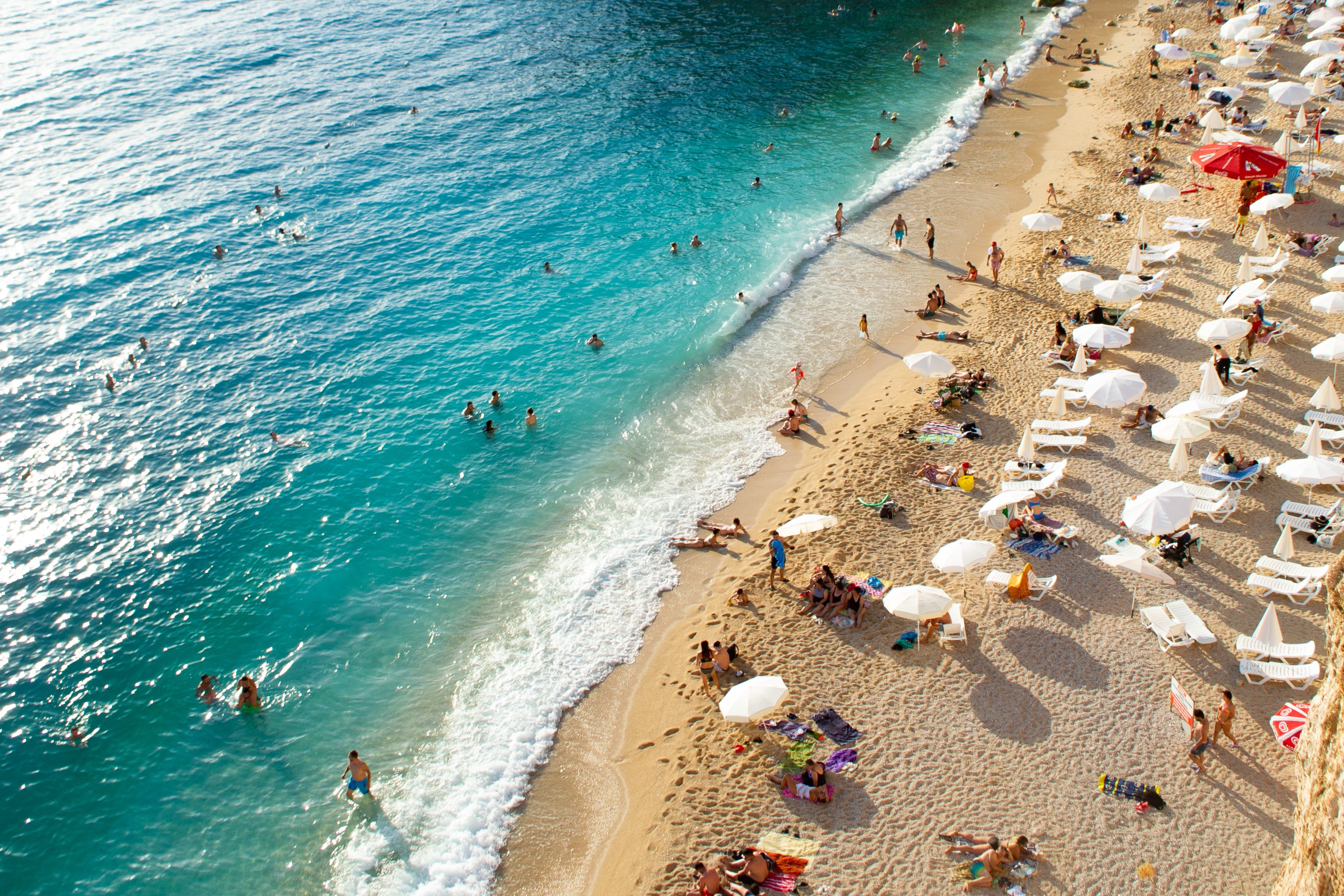
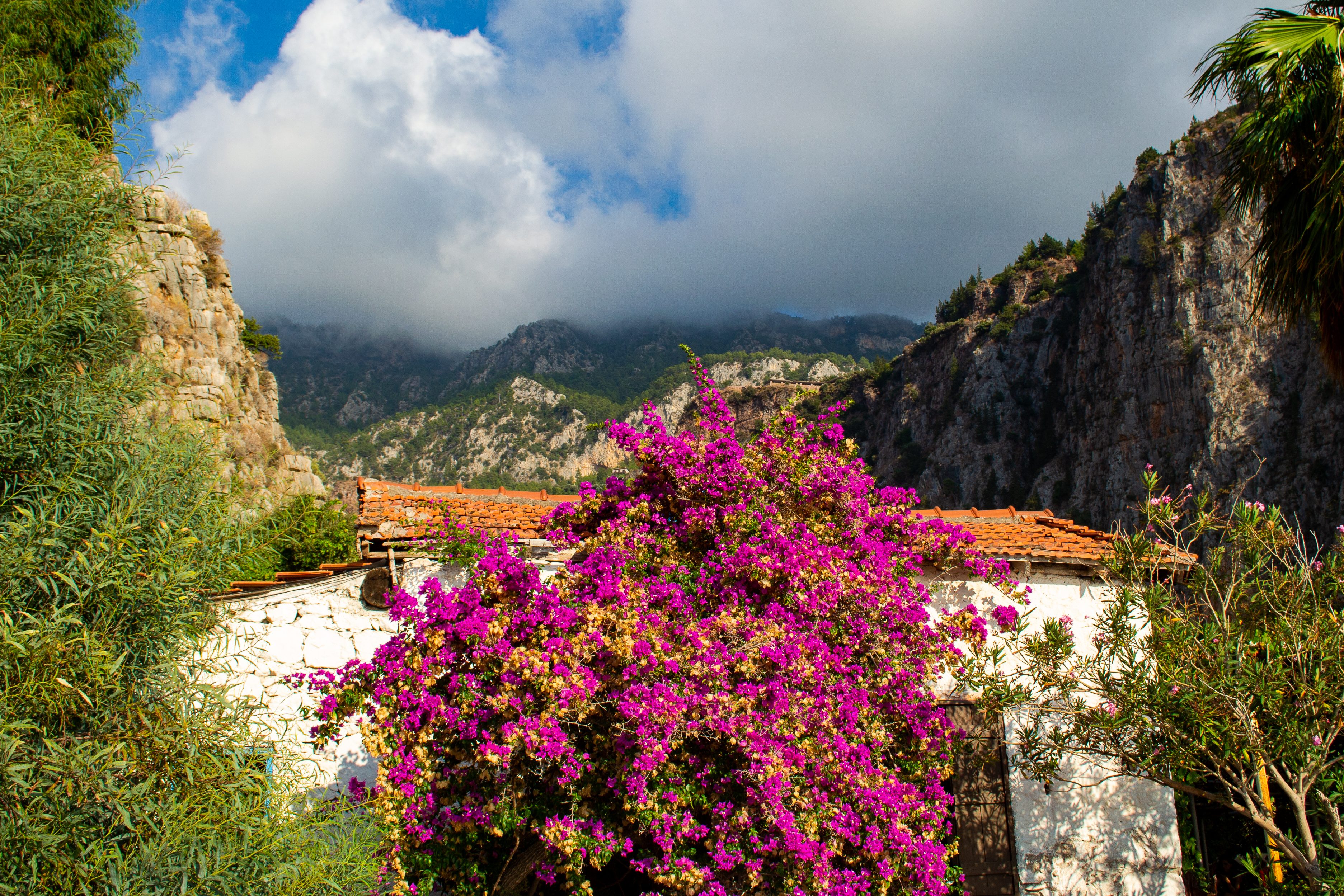
Beautiful Mediterranean beaches, picturesque landscapes, and incredible ancient history from thousands of years ago…my actual definition of heaven on this earth.
Exploring this area is one of the most amazing things that I have ever done. I still can’t believe it. I dream of going back every single day, I will go back 100%, and until then…here are some of the best historical spots to visit, and my favorites.
Demre: St. Nicholas Church & Myra
Starting with arguably my favorite historical spot along the way, Demre is well known because of the ancient city of Myra.
Myra is INSANE and one of the most visited spots for good reason, but Demre is extra special to me because of the Church of Saint Nicholas there as well.
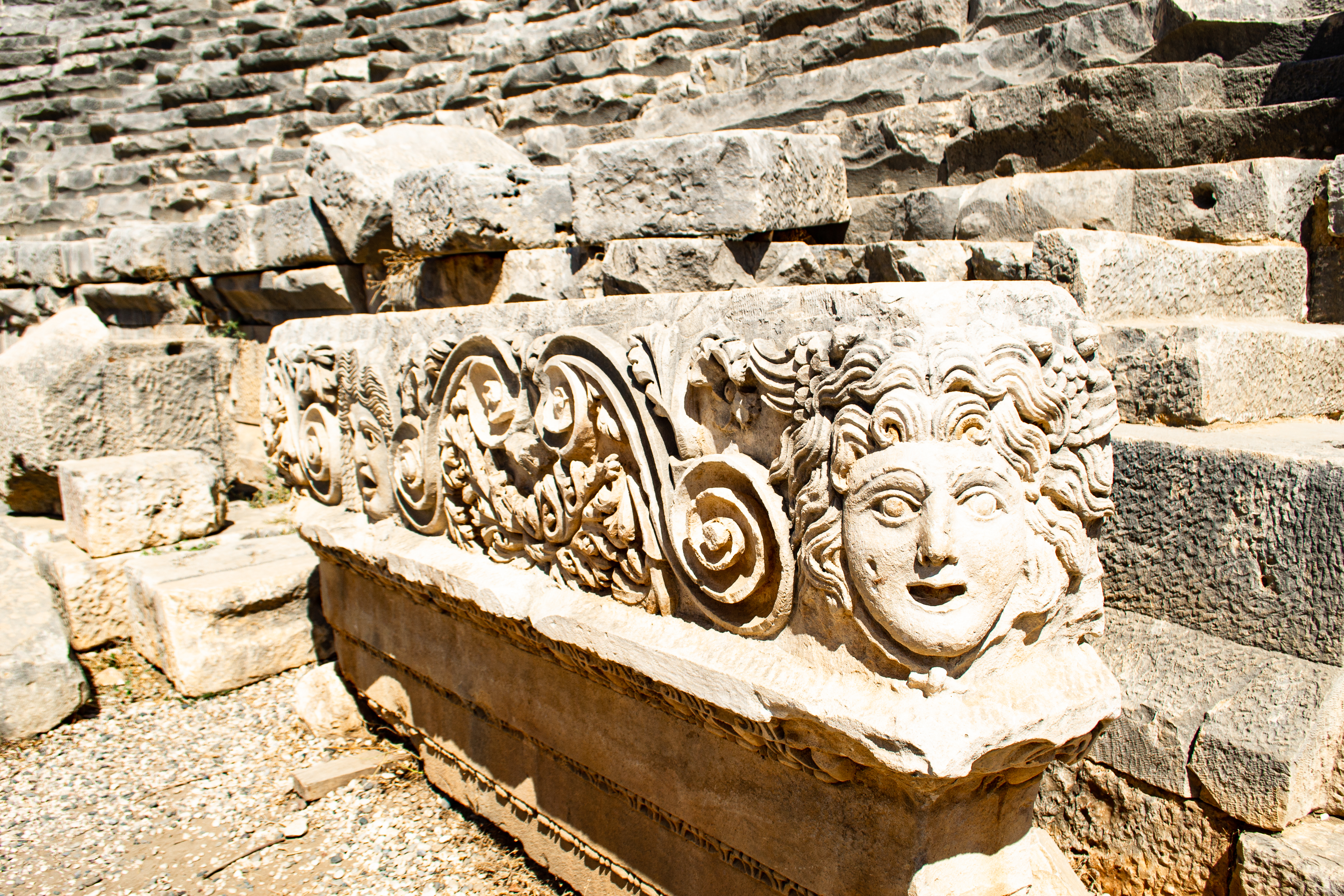
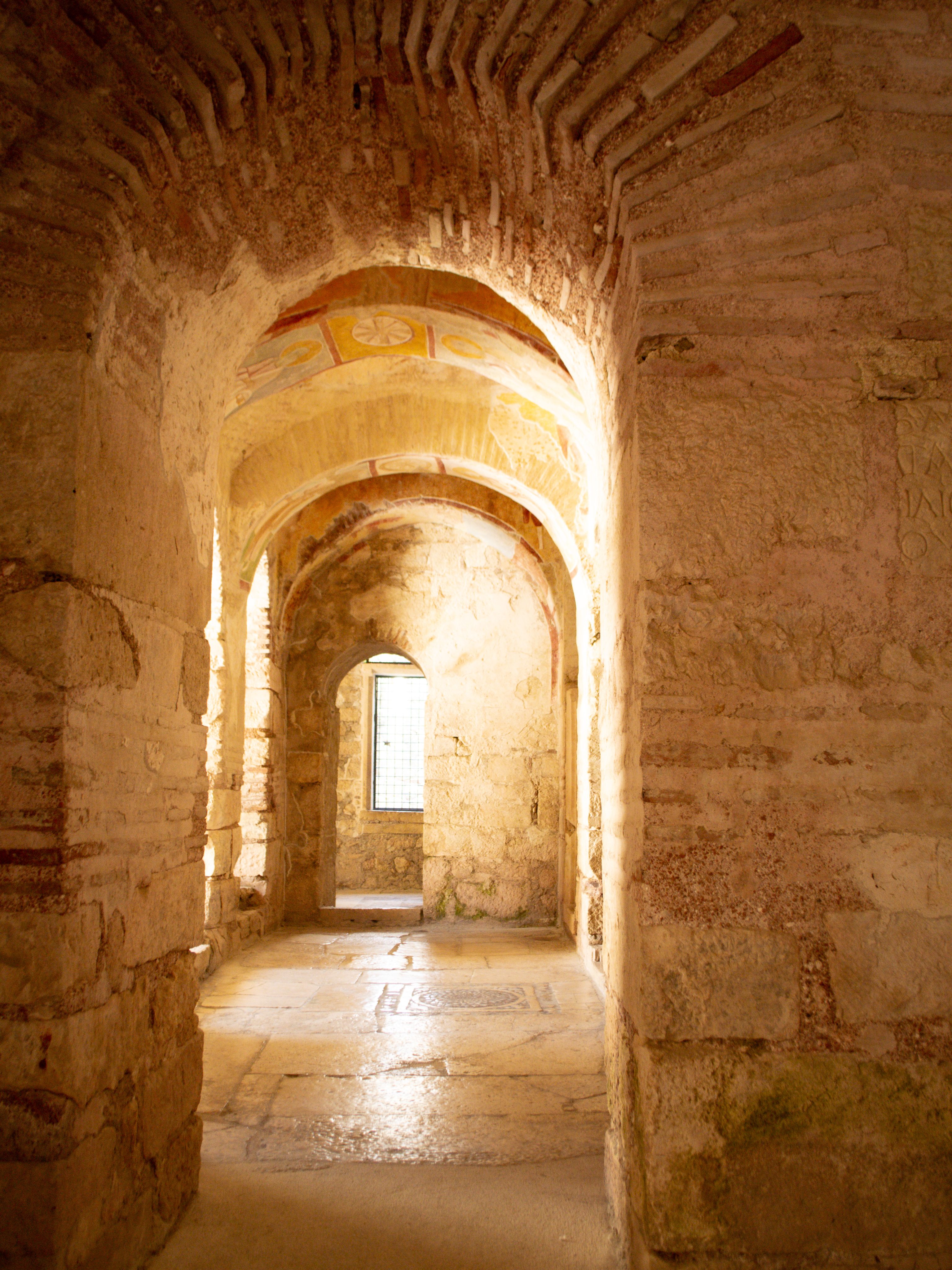
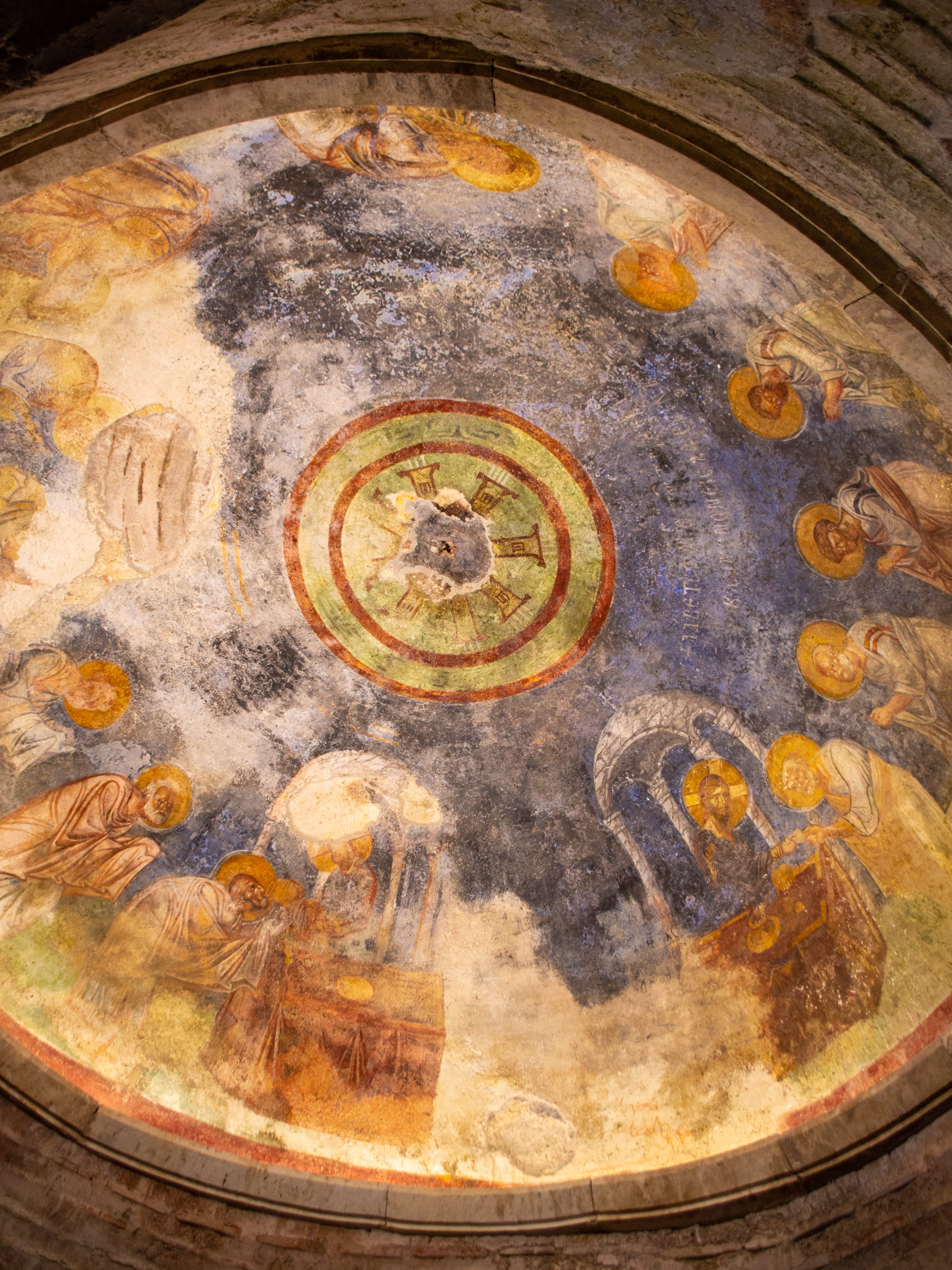
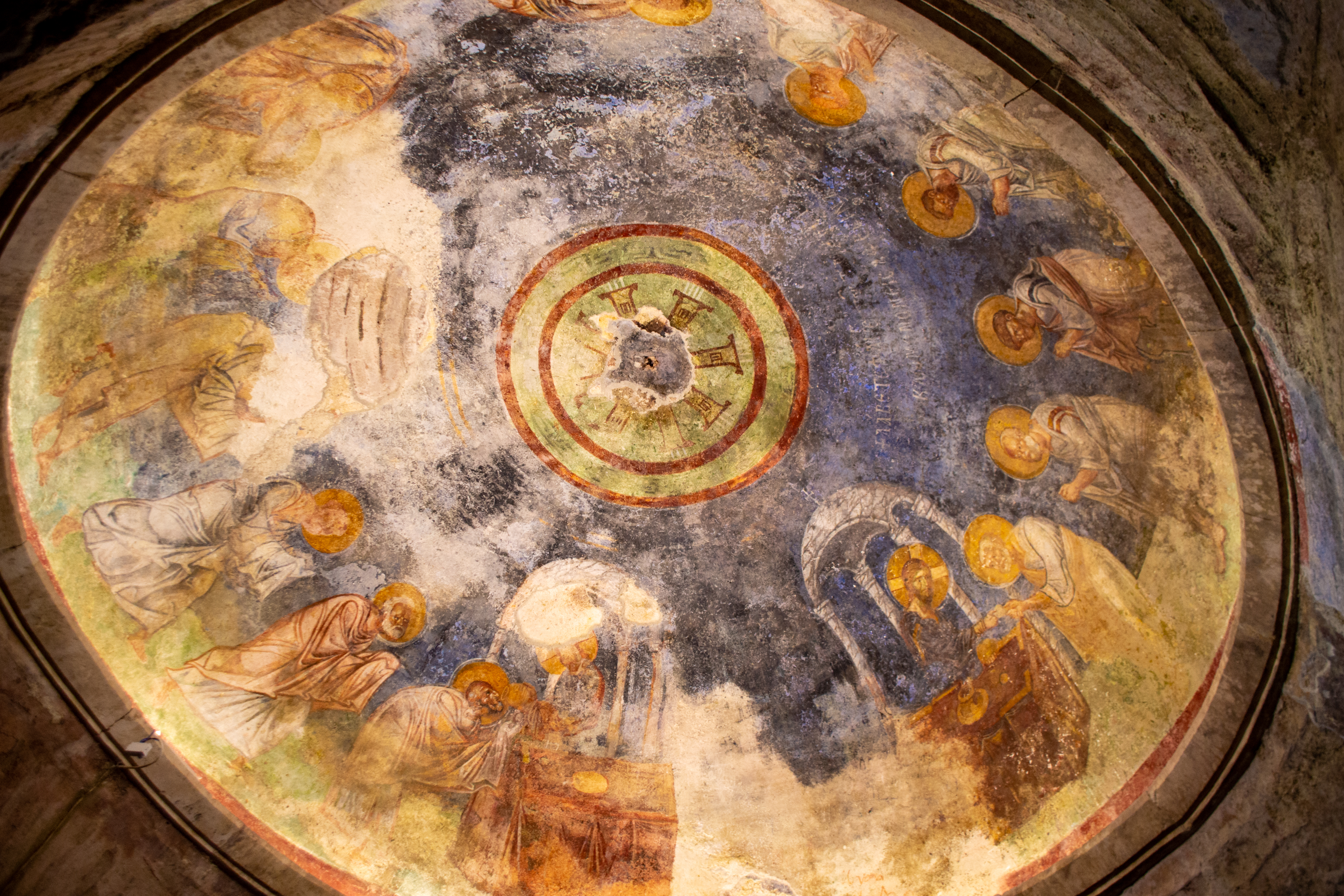
Built in 520 AD, Saint Nicholas Church is an ancient East Roman basilica church that is built on top of the burial place of St. Nicholas-the 4th century bishop that the Roman Catholics and Eastern Orthodox Christians based their inspiration for Santa Claus on.
Through the years, the cathedral saw many earthquakes, huge floods, wars, overturns of empires, and fell victim to the elements a number of times.
The church is now below ground level as the earth changes over the centuries. The first real restoration was in 1862 by a Russian Emperor by the name of Nicholas I.
Read My Full Travel Guide To Visiting The Saint Nicholas Church Here.
After being abandoned for the last time in the early 1920’s when the Greek population was forced out and left as history, the church was re-discovered in the 1950’s.
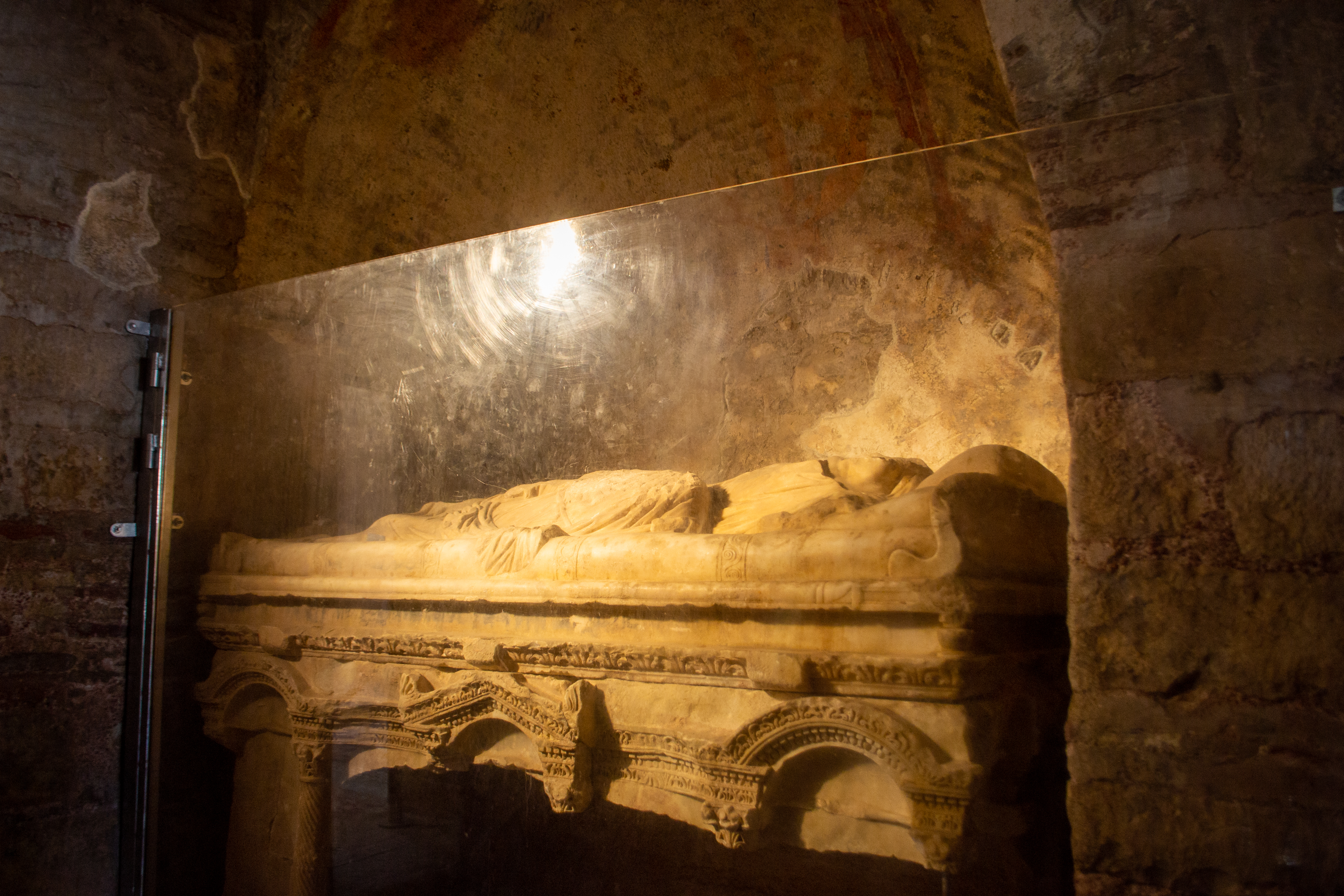
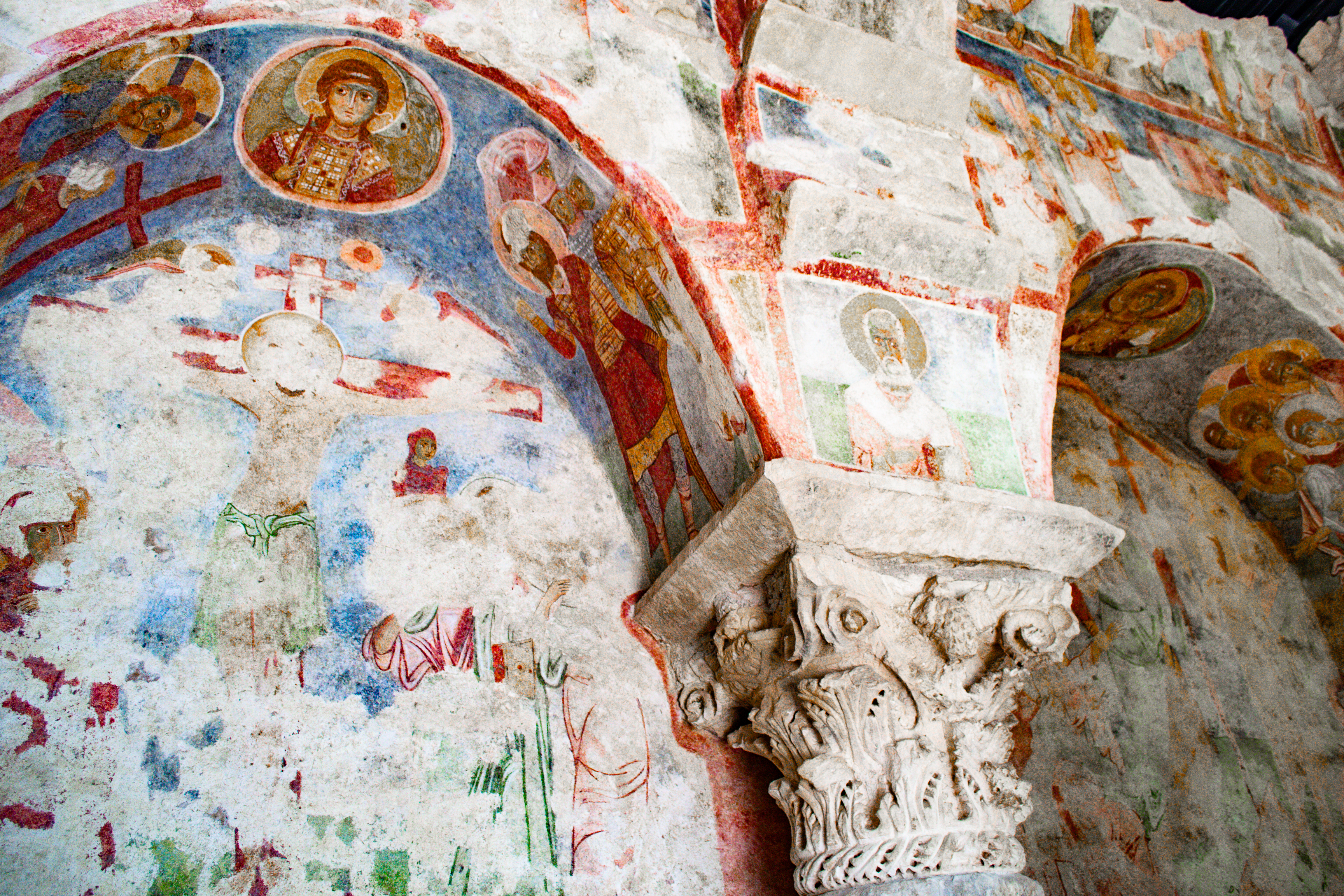
Full excavations started in the 1980’s, uncovering the most insane murals and mosaics depicting his life, beautiful chapels, and a huge stone coffin that is thought to be his original tomb containing his remains- though most-if not all-of his bones were stolen and brought to Bari, Italy in 1087.
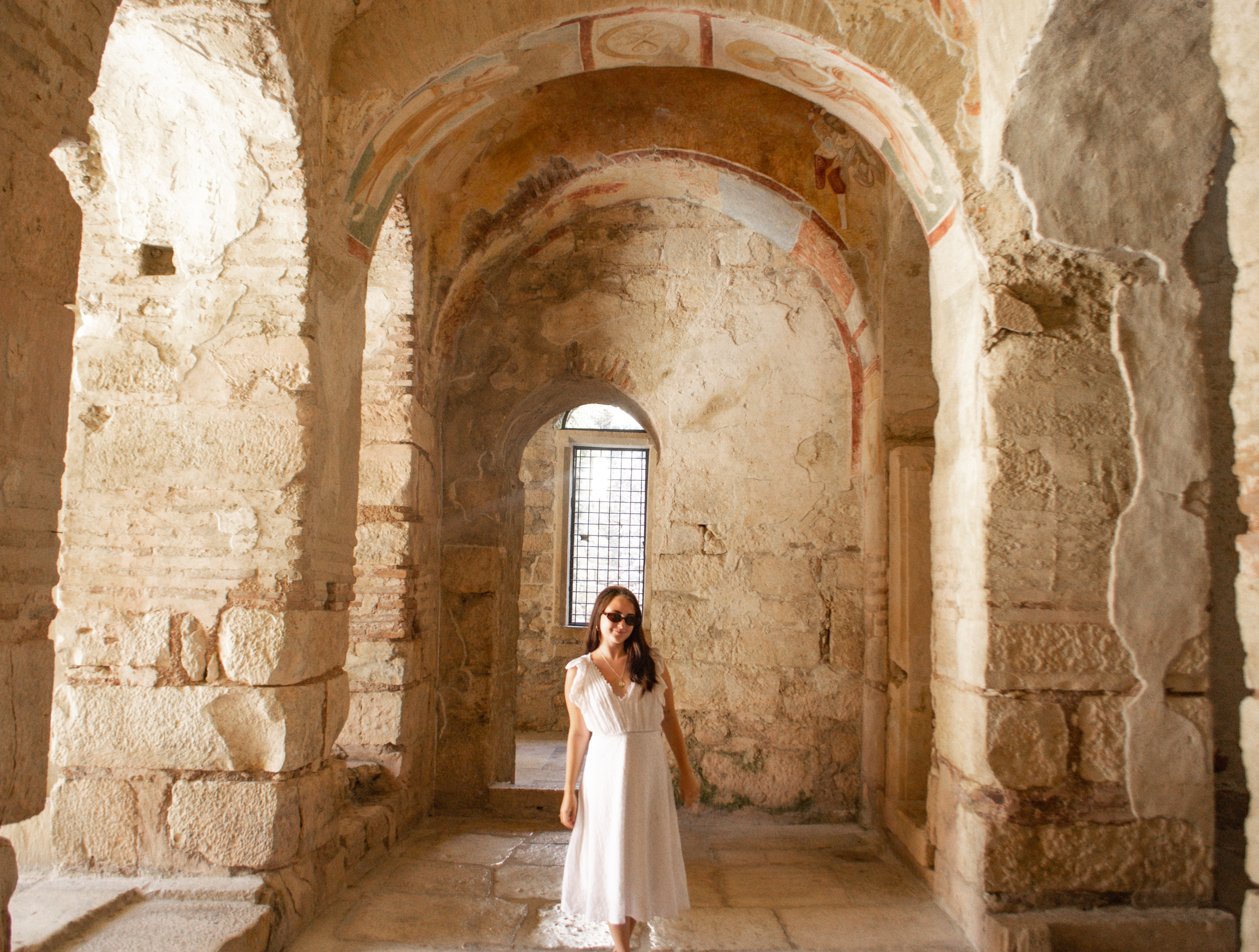
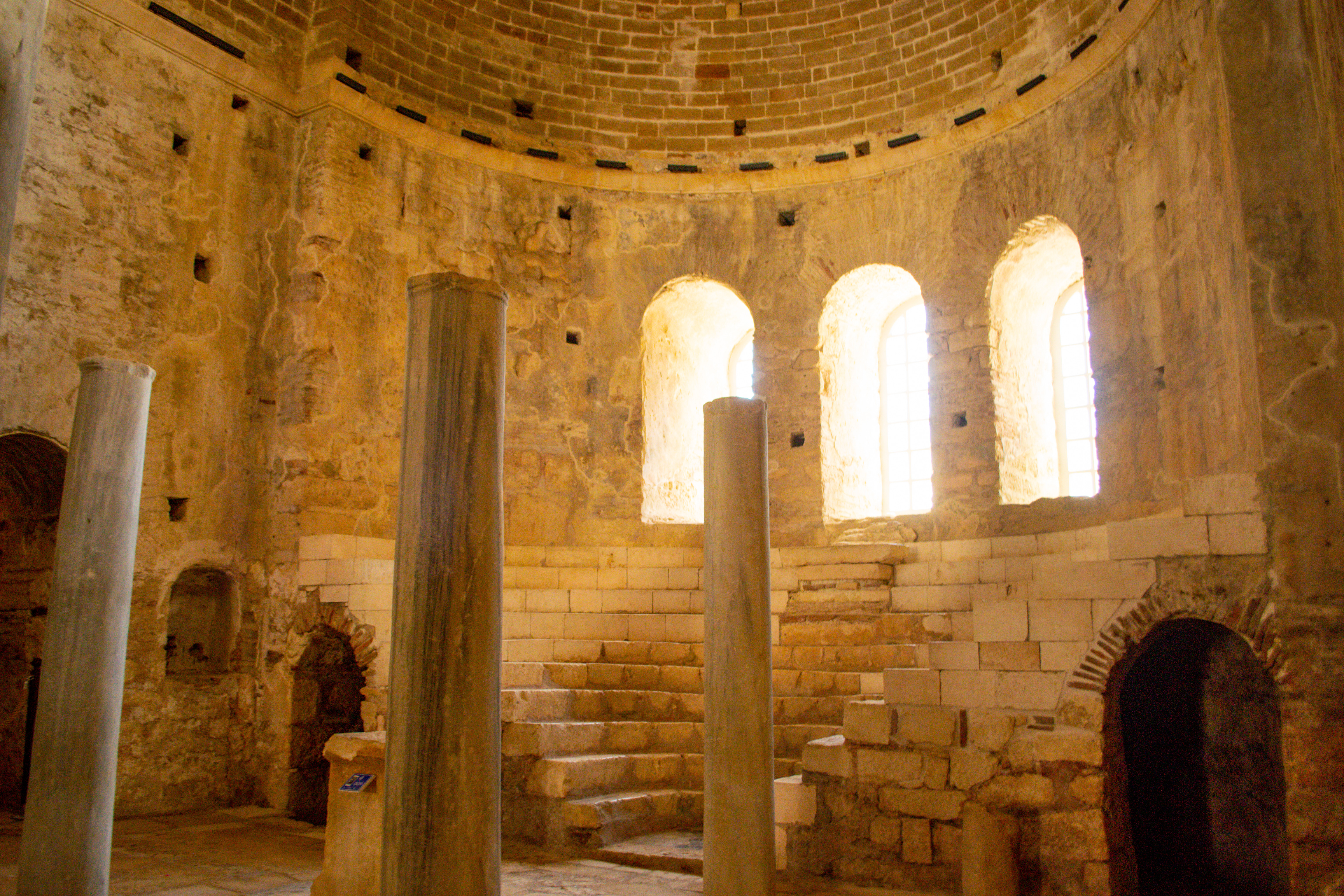
Tickets to enter the Saint Nicholas will cost around $17 USD, or free of cost with a Turkish Museum Pass.
Ancient City Of Myra:
Myra was one of the most important cities in the Lycian region thousands of years ago, and it is still just as spectacular even with centuries of history having taken toll on the structures.
Myra is one of those places where the history is so incomprehensible that it is a bit hard to understand as whole, and the early history of the city is still pretty unknown-but some of the oldest artifacts, tombs, and structures date back over 2,500 years.
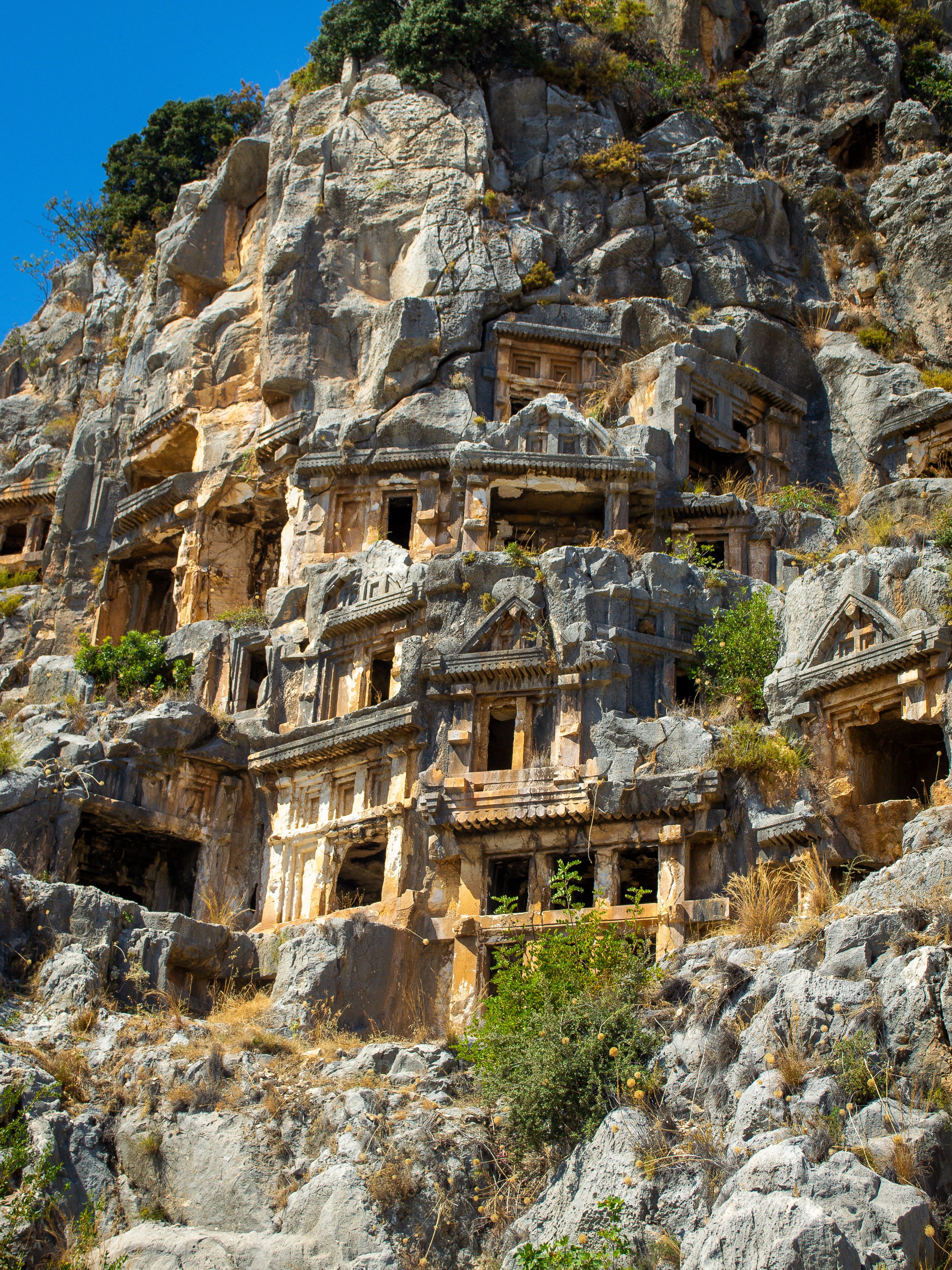
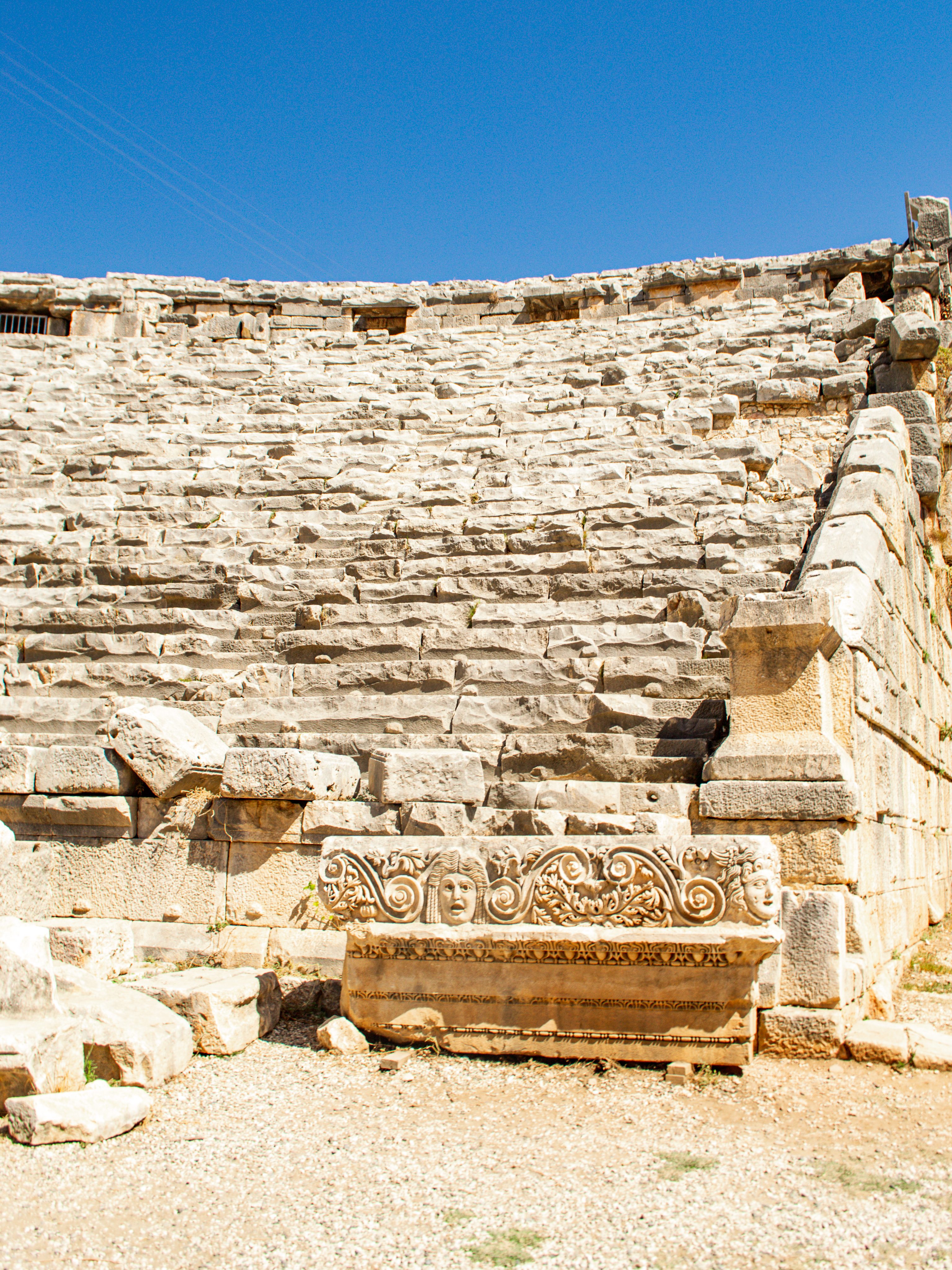

Most of the ruins are Roman era artifacts, and the tombs carved into the mountains are just unexplainable. Genuinely.
Myra saw the rise and fall of many powers, hundreds and hundreds of years of history, and it was the capital of Byzantine Lycia until 808 AD-after that, the city fell into decline. Myra was abandoned until an archaeological survey in 1963 brought the site to light.
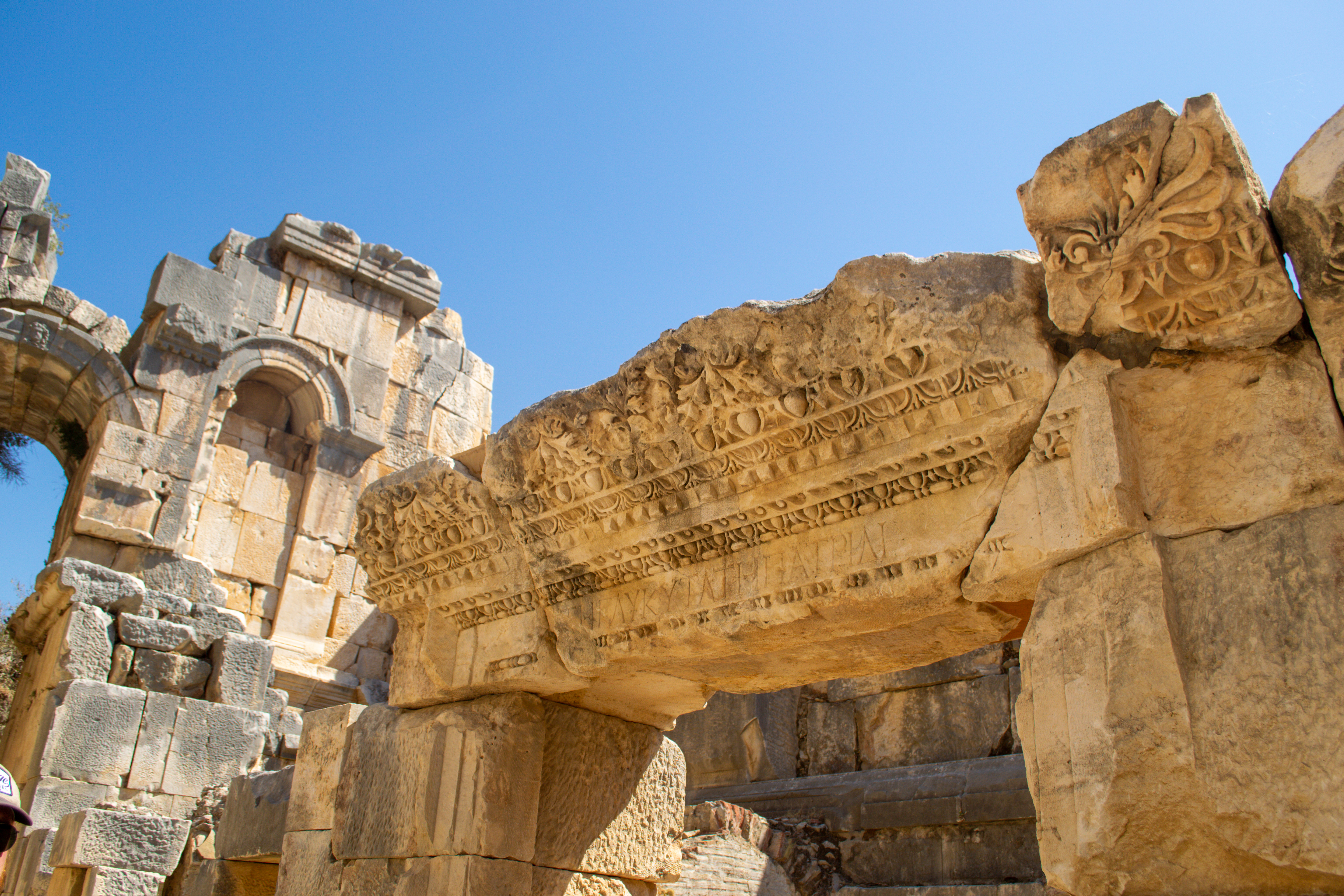
Tickets to enter Myra will cost around $13 USD, or free of cost with a Turkish Museum Pass.
Olympos
Another very well known spot along the Lycian Way is Olympos. Yes there is an Olympos in Türkiye, not just in Greece.

Olympos has always been well visited by tourists that aren’t following the Lycian Way, because it is just so incredible.
The ruins of the ancient city tucked in the woods, opens up to a beautiful beach where people have swam on the same Mediterranean shores for thousands of years…and it feels out of a movie. Even crazier than out of a movie. Just absolutely incredible.
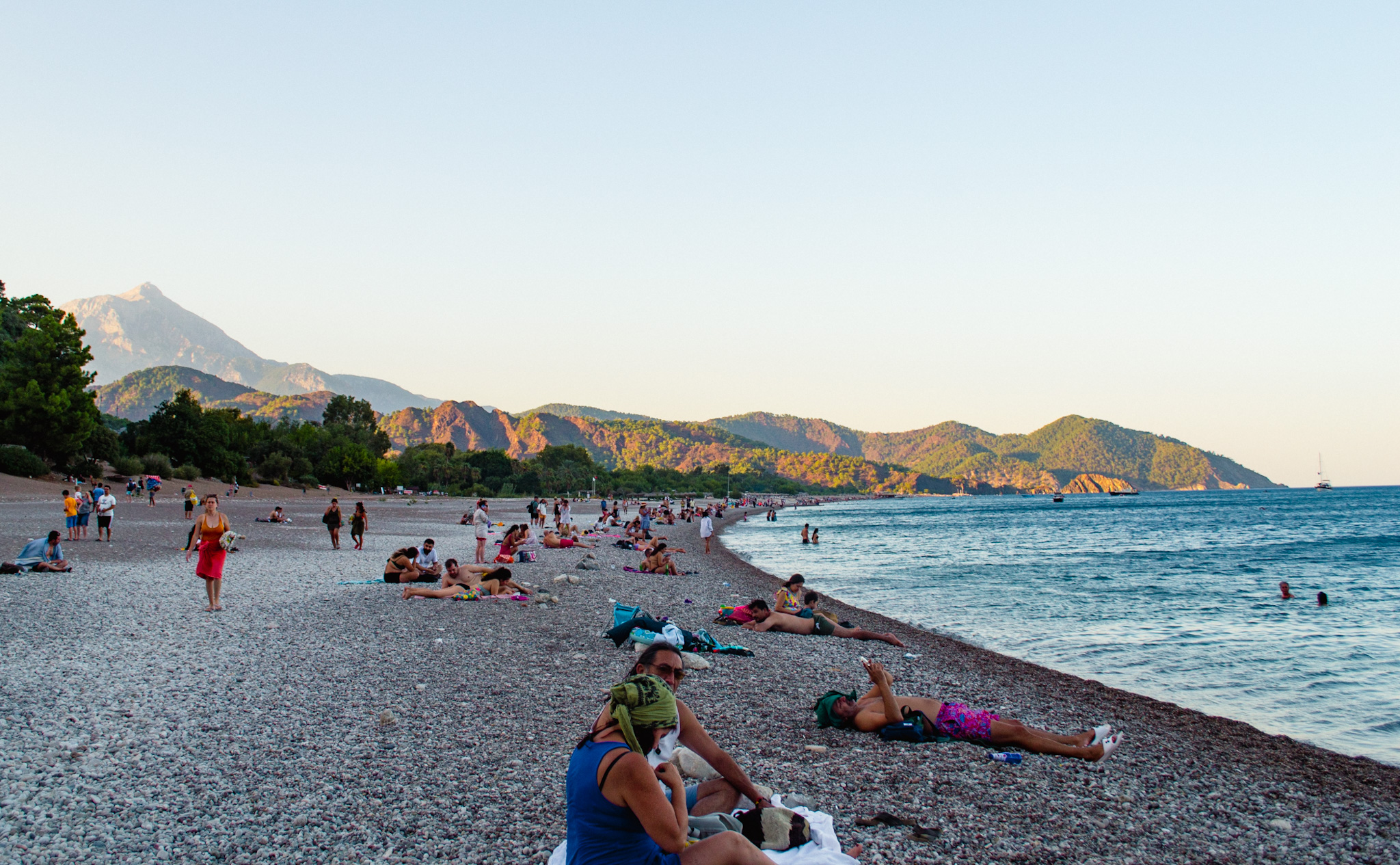
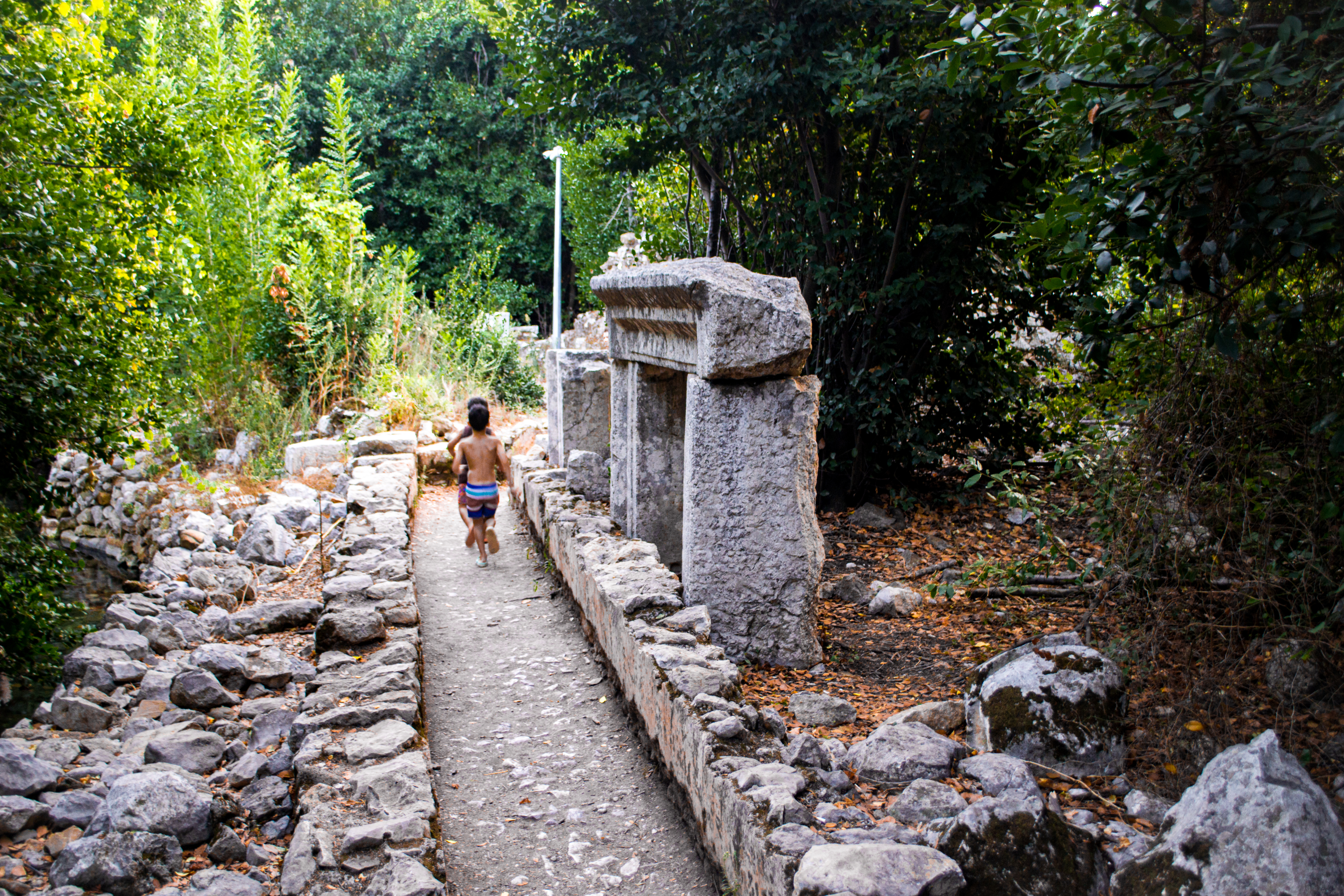
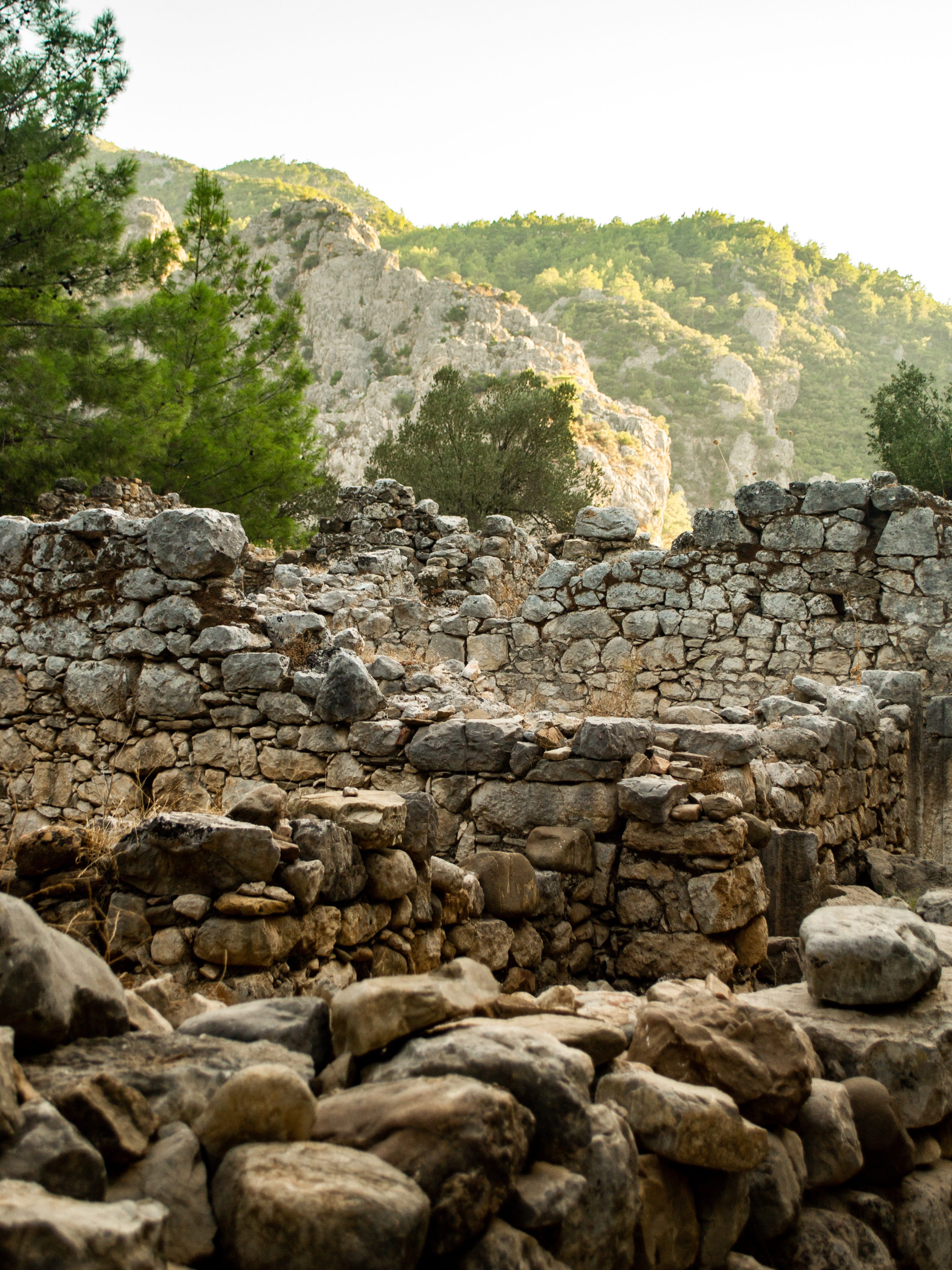
Olympos was an important port city in ancient Lycia, and was a base for pirates for a long time, until Rome took over to defeat said pirates. With roads once walked by Alexander the Great, remaining the same for us to walk down centuries later, it is an otherworldly feeling walking down the same paths that a girl my age walked down, around 2000 years ago.
Olympos is probably the most incredible ancient city I have ever experienced. The history weighs so, so heavily on you as you walk through.

Tickets to enter Olympos will cost around $11 USD, or free of cost with a Turkish Museum Pass.
Tickets to enter Olympos will cost around $11 USD, or free of cost with a Turkish Museum Pass.
Flaming Rocks of Chimaera
When visiting Olympos, you should definitely visit the Flaming Rocks of Chimaera (Yanartaş), just a short ride away.
Fueled by the methane gas in the mountain, the Flaming Rocks of Chimaera have been burning for thousands of years and were used as a land marker while at sea in the dark out in the distance. Right below the fires are the remains of the Temple of Hephaestus, the chief god of Olympos.
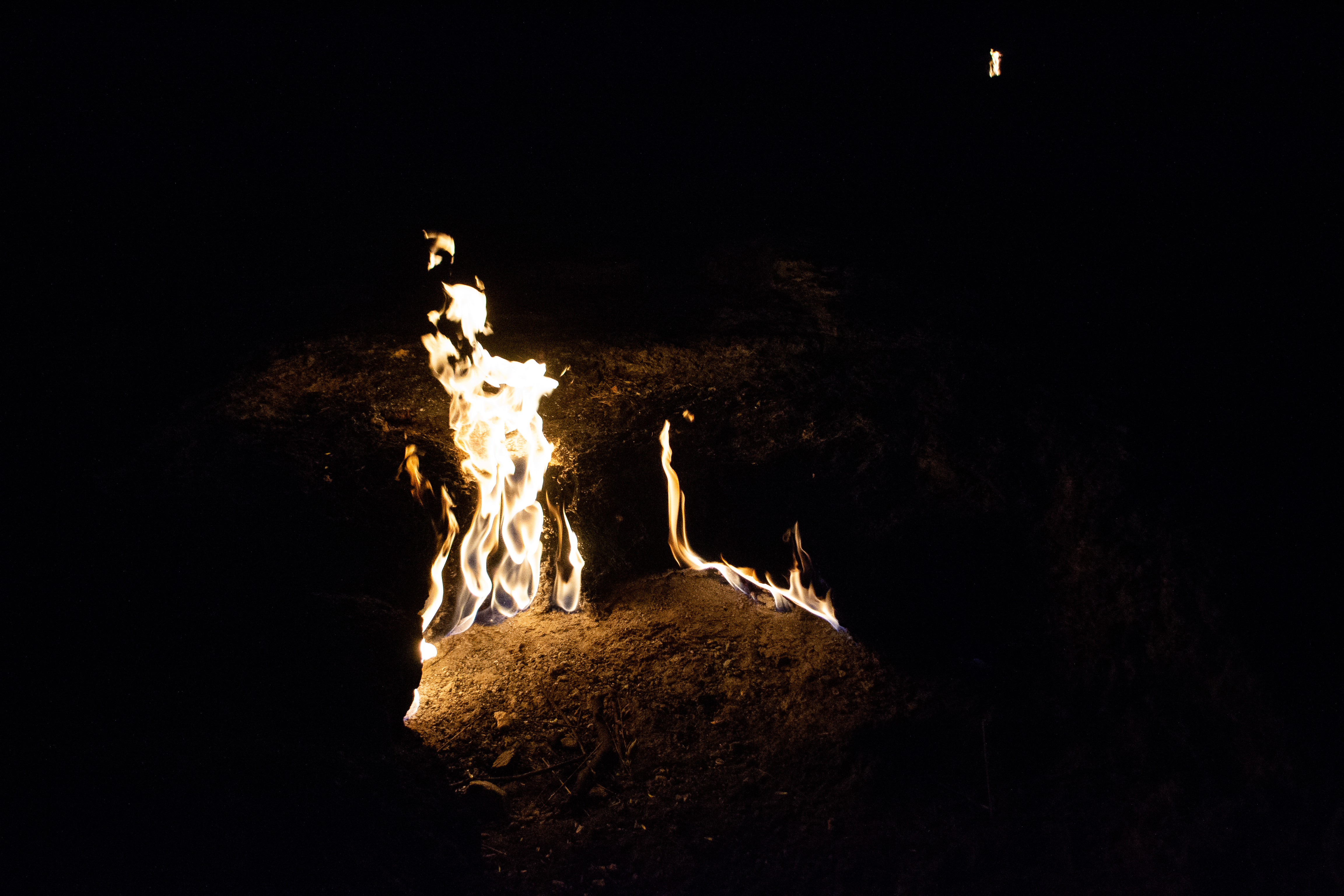
Visiting is best late at night in the dark, I made the hike up around 10pm. The hike up is not hard and fine in the dark if you’ve got a flashlight on your phone, and the energy up there is SO INCREDIBLE!
Tickets to enter the Flaming Rocks of Chimaera will cost around $2 USD, or free of cost with a Turkish Museum Pass.
Tickets to enter the Flaming Rocks of Chimaera will cost around $2 USD.
Phaselis
I honestly don’t think the ancient city of Phaselis gets the appreciation it deserves, as many Turkish tourists will visit the area for the beach and camping, but the incredible intact ruins of the city were not getting nearly enough attention while I was there for how insane it is. Like insane insane insane. Insane.
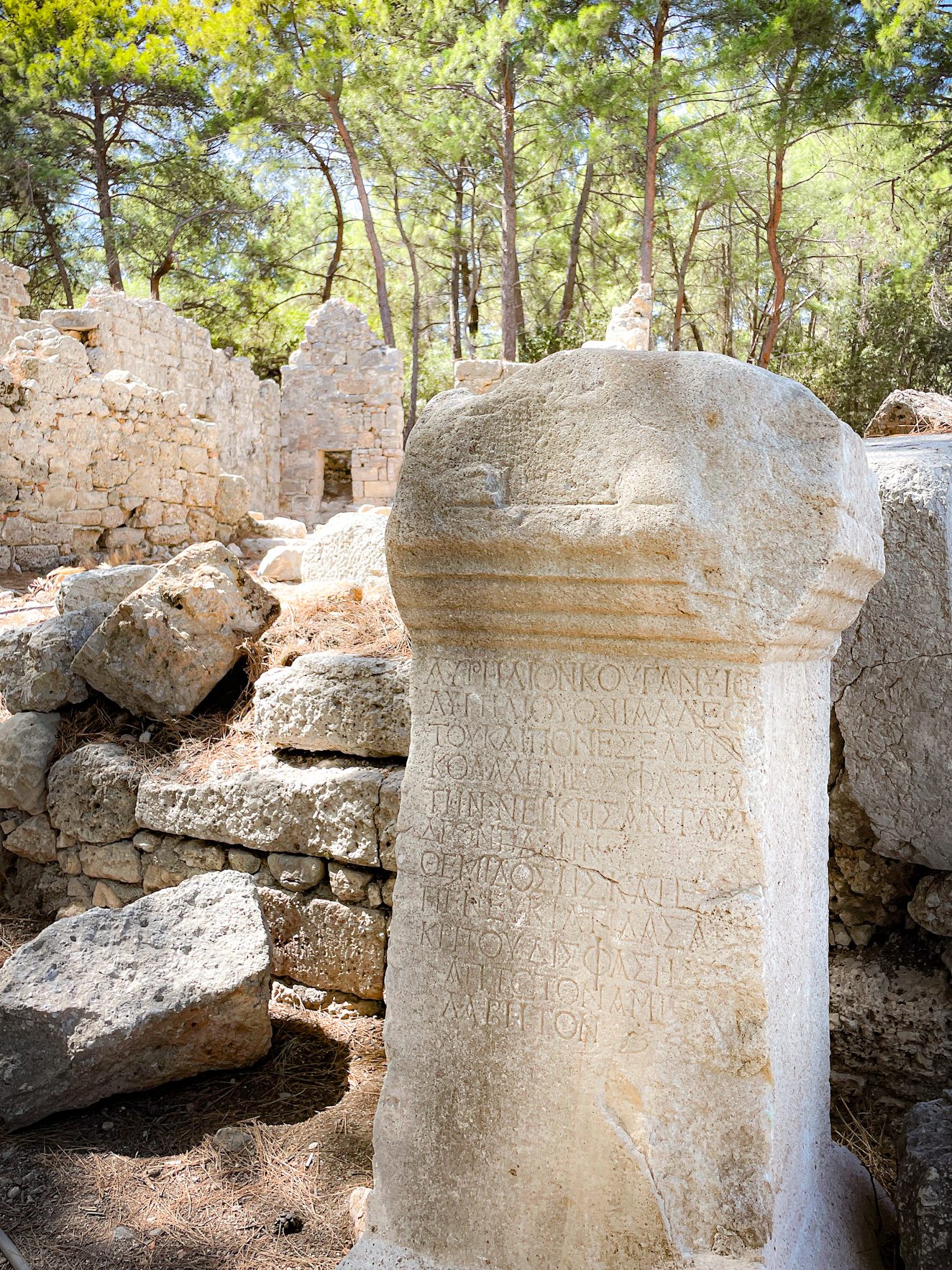

Along with Olympus, this is another incredibly well preserved ancient city in the pine trees, that open up to a beautiful beach…that left me speechless.
According to historians, Phaselis was actually established by settlers from the Greek island of Rhodes around 700 BC. Over the centuries, many different rulers came and went through the city, at one point conquered by Alexander the Great around 330 BC, then taken by the Lycians, who were then overthrown by pirates, who were killed by the Romans, before the city was abandoned and left to the earth around the 13th century AD.
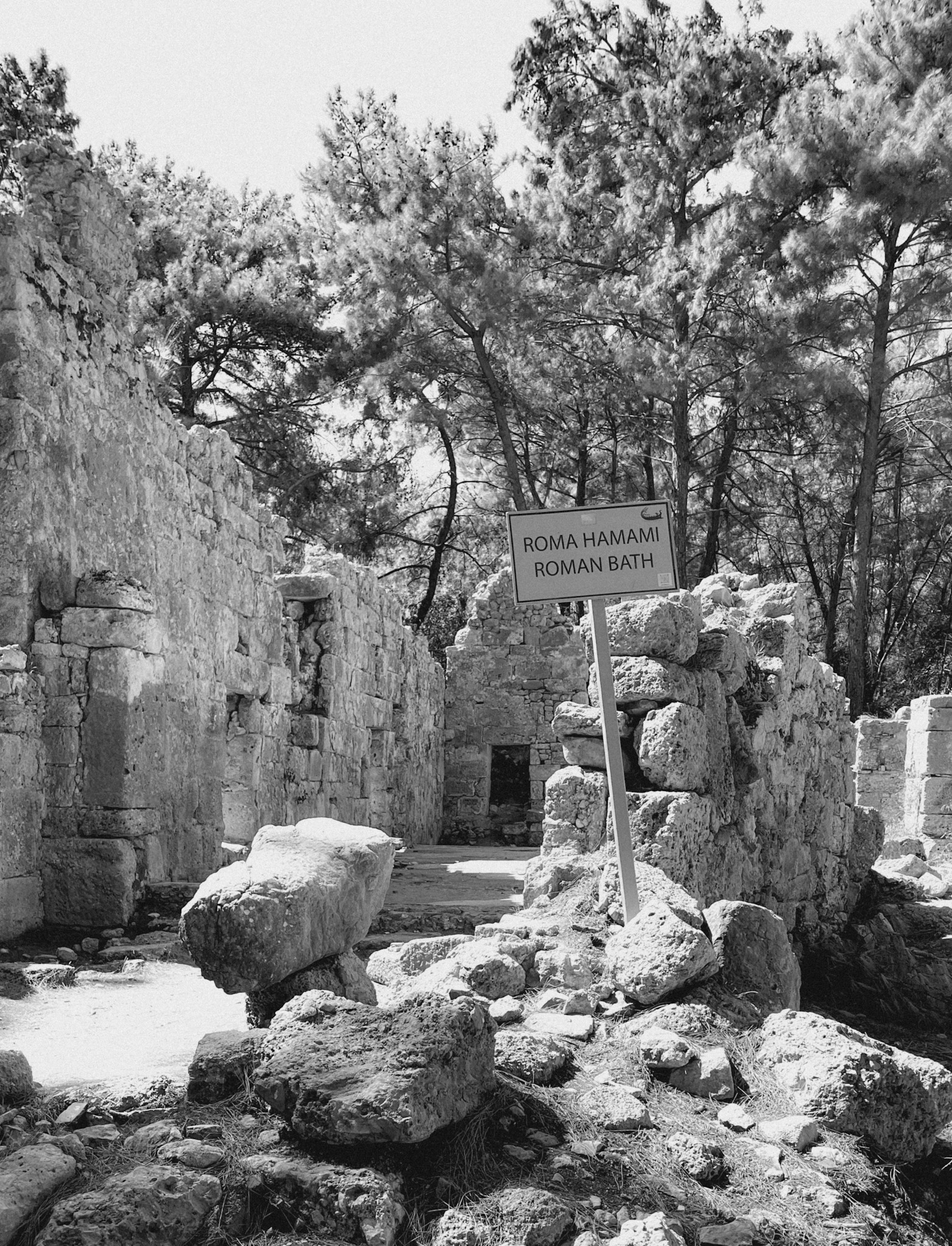
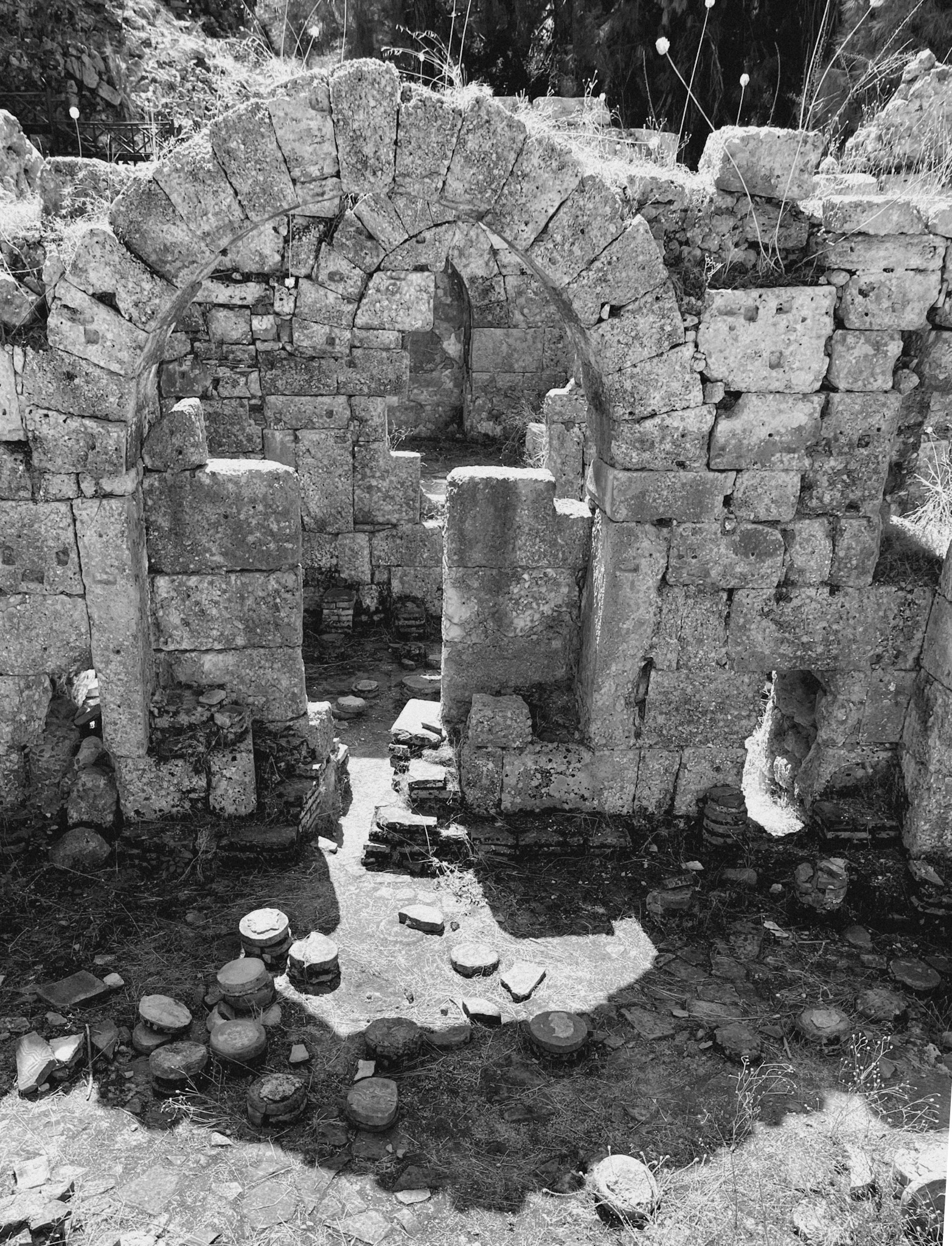
The ruins are so beautiful, there are murals that will take your breath away, and one of my favorite parts is the incredible backdrop of the mountains beyond the city. What a world.
Tickets to enter Phaselis will cost around $15 USD, or free of cost with a Turkish Museum Pass.
Tickets to enter Phaselis will cost around $15 USD, or free of cost with a Turkish Museum Pass.
Ancient City of Xanthos
Being the capital and greatest city of Lycia for two thousand years, the ancient city of Xanthos is a UNESCO World Heritage Site made up of unfathomable archaeological ruins, with walls containing ancient scripts that have allowed historians to decipher the Lycian language.
Just north of Kaş/Kalkan, you can experience history here that spans throughout empires, Lycian history, Roman history, Greek history, Persian history, all wrapped together into one. Unexplainable. Nuts.
Tickets to enter the Ancient City of Xanthos will cost around $4 USD, or free of cost with a Turkish Museum Pass.
Amyntas Rock Tombs
The Amyntas Rock Tomb was the first spot that I visited the evening that I landed in Türkiye, and it really set the tone for how amazing the next five weeks along the Lycian Way would be.
Right above Fethiye, the Amyntas Rock Tomb is carved into a cliff overlooking the town and the blue Mediterranean shores, and there are no words to explain just how incredible this place is. Seriously. It truly blew me away.

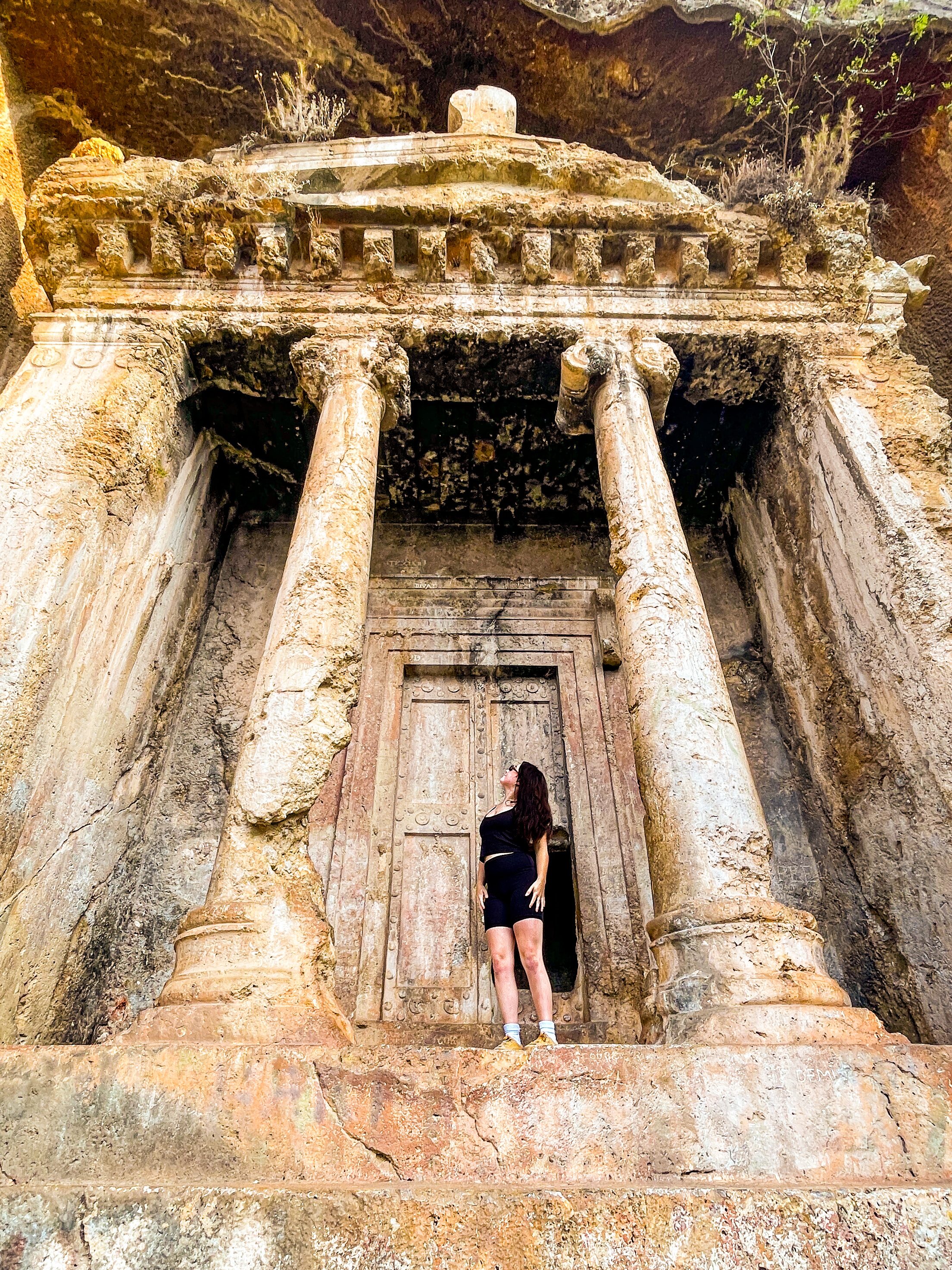
The tomb dates to around 350 BC, and it is one of the most insane tombs that you will see along the way. I shouldn’t even say one of the most insane, I truly think it is the most insane tomb in ancient Lycia. On the side of the tomb, ancient writing reads “Amyntou tou Ermagiou”, translating to “Amyntas, son of Hermagios”.
Truly a wonder on this earth, and underappreciated, although somewhat well known.

Tickets to walk up to see the Amyntas Rock Tomb will cost around $1 USD, or free of cost with a Turkish Museum Pass. You can see the tomb(s) from the street, but you must walk up. It is so worth it.
I could visit every single summer for the rest of my life and I would never get sick of it. If you get the opportunity, please visit this area, even if you are not physically hiking the path.
 Madigan Murphy